Top 10 Benefits of Stainless Steel in Construction Industry?

Time:2026-08-27 Author:Madeline
0%

In today’s construction industry, materials play a crucial role in shaping durability and design. Stainless steel stands out as a preferred choice. Builders and architects often wonder: what are the benefits of stainless steel in construction? This material offers superior strength and longevity, making it ideal for various applications. It resists corrosion and requires minimal maintenance, providing long-term value.

Moreover, stainless steel is adaptable. It can be shaped into diverse designs without compromising its integrity. While some might argue about its initial cost, the longevity of stainless steel often offsets this concern. In challenging environments, its resilience becomes a significant advantage.

However, not all stainless steel is created equal. The choice of grade can affect performance and aesthetic appeal. Understanding these nuances is essential for informed decision-making. In the evolving landscape of construction, recognizing the benefits of stainless steel can significantly impact project outcomes.
Top 10 Benefits of Stainless Steel in Construction Industry?

Advantages of Corrosion Resistance in Stainless Steel for Construction

Stainless steel stands out in the construction industry mainly due to its unparalleled corrosion resistance. The unique chromium content forms a thin layer of chromium oxide, protecting the metal beneath. This layer offers significant resistance to rust and deterioration, ensuring structures remain intact over time. Buildings exposed to harsh weather can greatly benefit from this property. For instance, coastal constructions often endure salty air, which accelerates corrosion. Stainless steel provides a reliable solution to combat this issue.

This material also requires less maintenance compared to traditional metals. Projects utilizing stainless steel can save money in the long run. However, the initial cost might raise eyebrows. Engineers should weigh upfront expenses against long-term savings from reduced repairs. Additionally, while stainless steel is robust, it’s not completely indestructible. Improper handling during installation can lead to surface scratches, affecting its appearance and protective qualities. Understanding these nuances is crucial for engineers and construction teams. Emphasizing proper handling practices can mitigate potential issues, ensuring the longevity and aesthetic of the structures built with this valuable material.

Top 10 Benefits of Stainless Steel in Construction Industry

Durability and Longevity: Lifespan of Stainless Steel in Structural Applications

Stainless steel is a cornerstone in the construction industry, especially due to its remarkable durability. When exposed to harsh conditions, stainless steel maintains its integrity. This material resists rust, corrosion, and degradation far better than many alternatives. While not infallible, its lifespan can surpass fifty years in many applications. Such performance makes it a preferred choice for structural elements.

Structural applications like beams and columns rely heavily on stainless steel's strength. Engineering studies show its ability to withstand significant stress and load without failing. However, proper installation and maintenance are crucial. Neglected stainless steel can develop pitting, especially in coastal areas. This highlights the need for periodic inspections and care. Despite these challenges, the longevity of stainless steel structures often justifies the initial costs.

In terms of sustainability, stainless steel is recyclable and can be repurposed. This contributes to an eco-friendly construction lifecycle. While it may not be the easiest material to work with, its long-term benefits are undeniable. Designers and builders must weigh both its challenges and advantages. Understanding these factors leads to more informed decisions in construction projects.

Top 10 Benefits of Stainless Steel in Construction Industry

Benefit Description Lifespan (Years)
Corrosion Resistance Withstands rust and corrosion in various environments. 50+
Strength High tensile strength suitable for structural applications. 50+
Aesthetic Appeal Modern look with a shiny finish, enhancing building design. N/A
Sustainability Easily recyclable, contributing to environmental preservation. N/A
Low Maintenance Requires minimal upkeep over its lifespan. 50+
Fire Resistance Non-combustible and maintains integrity under fire conditions. N/A
Versatility Can be used in various applications from framing to finishes. N/A
Lightweight Lower weight compared to other materials, reducing load. N/A
Cost-Efficiency Long lifespan offsetting initial investment costs. 50+
Hygienic Properties Non-porous surface, making it easy to clean and maintain hygiene. N/A

Cost-Effectiveness: Analyzing Initial Investment vs Long-Term Savings

In the construction industry, the choice of materials significantly impacts long-term expenses. Stainless steel, while posing a higher initial cost, offers substantial savings in the long term. Its resistance to corrosion and wear means lower maintenance expenses. Buildings made with stainless steel require fewer repairs over time. This durability can ultimately lead to a lower total cost of ownership.

Investing in stainless steel also means improved safety and compliance with building codes. Structures built with this material are often recognized for their strength. Though the upfront cost may deter some, the benefits are undeniable. The longevity of stainless steel can outweigh the initial financial outlay. This material can withstand harsh environments, making it suitable for various construction applications.

Moreover, stainless steel is eco-friendly. It is fully recyclable and reduces the need for constant replacement. However, project managers must weigh the immediate budget constraints against these future benefits. It’s essential to analyze overall expenses comprehensively. While some may see the initial investment as a drawback, the long-term advantages of stainless steel should not be overlooked. Balancing these factors is key in making informed material choices.

Sustainability: The Role of Stainless Steel in Green Building Practices

Stainless steel plays a vital role in modern construction, particularly in sustainable building practices. This material is highly durable, which allows structures to last longer. A longer lifespan means fewer materials used over time, reducing waste. Moreover, stainless steel is fully recyclable. It can be repurposed infinitely without losing its quality. This characteristic is crucial for achieving sustainability goals in green building projects.

However, the production of stainless steel is not without its challenges. While it is recyclable, the initial manufacturing process can be energy-intensive. This raises questions about the carbon footprint associated with producing new stainless steel. Builders must weigh the benefits against these environmental costs. Collaborations in the industry can lead to innovations aimed at minimizing emissions during production.

The aesthetic appeal of stainless steel also plays a role in sustainable architecture. Its reflective surface often reduces the need for additional materials in façade design. Yet, maintaining this appearance may require cleaning products that have their own environmental impacts. Therefore, it's essential to consider all aspects of sustainability when incorporating stainless steel into construction. As the industry moves forward, ongoing dialogue about these complexities will shape the future of green building practices.

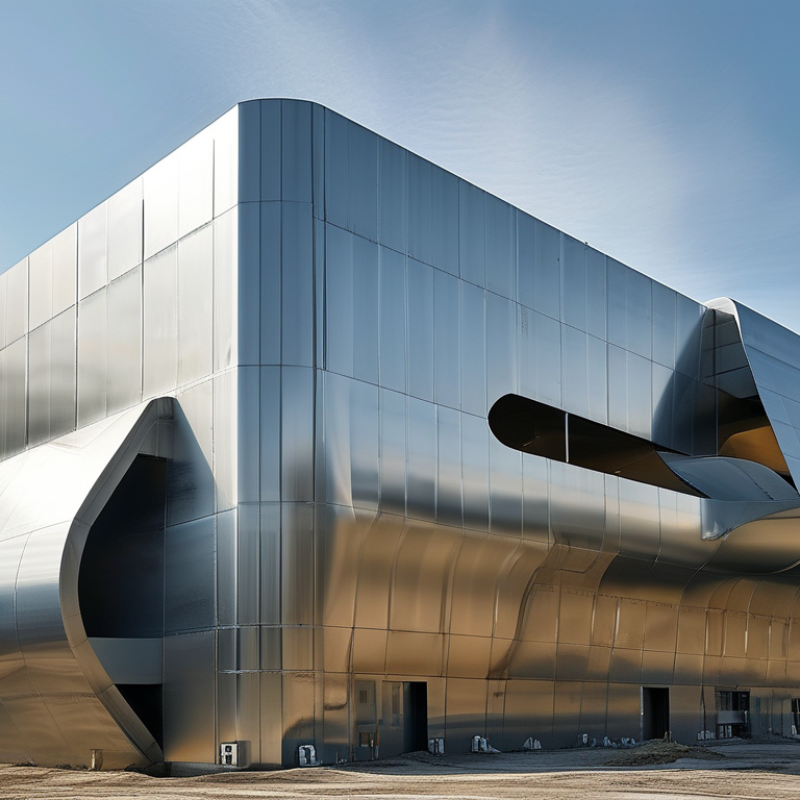
Design Flexibility: Aesthetic Versatility of Stainless Steel in Architecture

Stainless steel offers remarkable design flexibility within the construction sector. Its aesthetic versatility allows architects to create striking and innovative structures. According to a report from the Steel Construction Institute, stainless steel can be molded into various shapes and finishes, enhancing visual appeal. The smooth, reflective surface adds a modern touch, making buildings stand out in urban landscapes.

When considering stainless steel, it is vital to account for project demands. While its durability is known, the initial cost can be higher than other materials. This makes careful budgeting essential. Utilization of stainless steel can be maximized through careful planning of structural elements. Architects often leverage its strength to reduce material usage, which ultimately can lower costs.

Designs using stainless steel uniquely blend beauty with functionality. Whether used for facades, railings, or structural frames, it delivers both performance and style. One consideration is the environment. Stainless steel is 100% recyclable, making it a sustainable choice. This aspect appeals to eco-conscious clients looking to meet green building standards. Proper maintenance ensures longevity, which can lead to lower lifecycle costs.

FAQS

: What is the lifespan of stainless steel in structural applications?

: Stainless steel can last over fifty years in many structural applications.

Why is stainless steel preferred in construction?

Its durability, rust resistance, and ability to withstand harsh conditions make it a preferred material.

What maintenance is required for stainless steel?

Periodic inspections and care are essential to prevent issues like pitting, particularly in coastal areas.

Is stainless steel environmentally friendly?

Yes, stainless steel is 100% recyclable, contributing to sustainable construction practices.

How does stainless steel support design flexibility?

It can be molded into various shapes and finishes, enhancing both aesthetics and functionality in architecture.

What are the initial costs associated with stainless steel?

The initial cost can be higher than other materials, so careful budgeting is necessary.

How can architects maximize the use of stainless steel?

Through careful planning of structural elements, architects can reduce material usage and lower costs.

What unique benefits does stainless steel offer?

It uniquely blends beauty with functionality, suitable for facades, railings, and structural frames.

Can challenges arise when using stainless steel?

Yes, its handling is not always easy, and its maintenance is crucial to ensure longevity.

How does stainless steel impact lifecycle costs?

Proper maintenance leads to lower lifecycle costs due to its long-term durability.

Conclusion

Stainless steel has become an essential material in the construction industry due to its numerous advantages. One of the most notable benefits is its corrosion resistance, which ensures that structures maintain their integrity over time, leading to enhanced durability and longevity. As a result, stainless steel can offer a significantly extended lifespan in structural applications compared to alternative materials.

Additionally, the initial investment in stainless steel can be balanced by long-term savings, making it a cost-effective choice for construction projects. Its sustainability aligns with green building practices, contributing to environmentally friendly construction solutions. Furthermore, stainless steel provides design flexibility, allowing architects to explore aesthetic versatility in their creations. These factors collectively highlight what are the benefits of stainless steel in construction, making it an increasingly preferred material in modern building practices.

Madeline

Madeline

Madeline is a dedicated marketing professional with a wealth of expertise in our company's core offerings. With a keen understanding of the industry, she brings a unique perspective to her role, consistently delivering high-quality content that highlights the superior aspects of our products. As......