Choosing the right stainless steel for food grade applications is crucial. Many factors influence this decision, including corrosion resistance, finish, and weldability. Understanding how to choose stainless steel for food grade applications is essential for ensuring safety and quality.
Food processing environments require materials that can withstand harsh conditions. For example, 304 and 316 grades are often preferred due to their excellent corrosion resistance. However, not all stainless steel options are equal. Some may excel in durability but lack the necessary surface finish for food contact.
It’s vital to consider not only the steel grade but also the specific application. Are you fabricating equipment or components? Will they be exposed to salty or acidic foods? These questions can guide your decision. It’s easy to overlook these details, but making informed choices can prevent costly mistakes.
Understanding the Importance of Food-Grade Stainless Steel
Choosing the right stainless steel for food-grade applications is crucial. Food-grade stainless steel must resist corrosion, stains, and bacteria. This is essential for maintaining hygiene and safety in food preparation. Various grades of stainless steel exist, but not all meet food safety standards.
Food-grade stainless steel is typically marked with 304 or 316. These grades contain nickel and chromium, enhancing durability and resistance. However, not every application requires high-end materials. Some projects may benefit from lower grades, considering cost-effectiveness. Each choice should balance quality and functionality.
Don’t overlook the importance of proper maintenance. Even the best materials can fail without care. Regular cleaning and inspection are key to ensuring longevity. It’s also important to consult experts when selecting materials. Understanding specific requirements helps avoid pitfalls. Not every food application is the same, and material selection should reflect that.
Key Properties of Stainless Steel Suitable for Food Applications
When selecting stainless steel for food applications, it's essential to understand its key properties. Stainless steel is durable, corrosion-resistant, and easy to clean. These features make it ideal for kitchens and food processing environments.
Food-grade stainless steel must also be non-reactive, preventing any unwanted flavors or contaminants from leaching into food.
There are different grades of stainless steel, and not all are suitable for food applications. For instance, 304 and 316 grades are widely used due to their excellent resistance to corrosion and stains. These grades also resist extreme temperatures, ensuring they maintain their integrity during cooking and storage. However, it’s important to recognize that the wrong choice can lead to issues like rust or contamination.
Understanding the surface finish of the stainless steel is just as crucial. A smooth, polished surface helps reduce bacteria buildup. However, surfaces that are not properly finished may harbor pathogens. Be mindful of these details when selecting stainless steel for food applications. Small imperfections can lead to major health risks. Ensure that your choice meets all safety standards to protect consumers.
Different Grades of Stainless Steel: Which One to Choose?
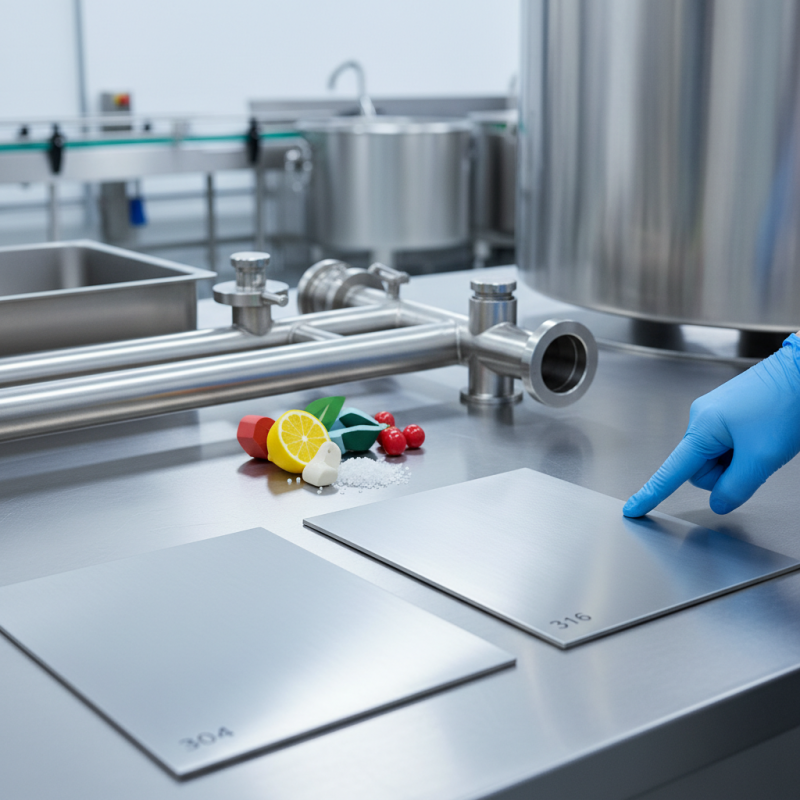
When selecting stainless steel for food-grade applications, understanding the different grades is crucial. Each grade offers unique properties that impact durability, corrosion resistance, and hygiene. The most common grades for food applications are 304 and 316 stainless steel.
304 stainless steel is versatile and widely used in food processing. It’s resistant to many chemicals and oxidation. However, it may not perform well in highly acidic environments. For such cases, 316 stainless steel is a better option. It includes molybdenum, which enhances its resistance to chlorides and prevents pitting. This quality makes it ideal for marine environments and situations involving salt exposure.
Despite their strengths, no stainless steel grade is perfect. For instance, 304 can corrode in harsh conditions. This limitation urges careful consideration when choosing the right grade. Understanding your specific food processing needs will help ensure the right choice of stainless steel. Take the time to evaluate the conditions and demands of your application thoroughly.
Stainless Steel Grades for Food Grade Applications
Compliance with Food Safety Standards and Regulations
When choosing stainless steel for food grade applications, compliance with food safety standards is crucial. The selected stainless steel should meet specific regulations established by health authorities. This ensures that the material will not leach harmful substances into food. Common standards include those set by the FDA and NSF. Understanding these guidelines helps in making informed decisions.
Tips for selecting the right grade include assessing the intended use. For example, 304 and 316 stainless steel are popular choices. However, 316 offers better corrosion resistance, especially in harsh environments. Always inspect the surface for consistency. Any blemishes could indicate potential issues. It’s vital to consider the cleaning method as well, as some grades may react poorly to certain chemicals.
Remember, not all stainless steel is created equal. Reevaluate your options if the material does not align with food safety regulations. Continuous education on current standards is essential. Regular updates may alter compliance requirements. Your choices today affect not only safety but also the longevity of your equipment. Consider training sessions for your team to enhance understanding and application of these standards.
Maintenance and Care Guidelines for Food-Grade Stainless Steel
Maintaining food-grade stainless steel is crucial for hygiene and longevity. Regular cleaning is essential to prevent the buildup of bacteria and contaminants. Use a gentle detergent and warm water for routine cleaning.
Avoid abrasive materials that can scratch the surface. For tougher stains, a solution of vinegar and water can work wonders.
Inspect your equipment regularly for signs of corrosion. While stainless steel is resistant, it is not immune. Pay attention to areas that are exposed to moisture. Rust can develop if not managed properly. If you notice pitting or discoloration, take prompt action. This might involve more intensive cleaning or even professional restoration.
Store food-grade stainless steel items in a dry environment. Humidity can accelerate wear. When stacking items, use protective liners to avoid scratches. Be cautious with food that contains high levels of salt or acids. These can cause deterioration over time. Keeping these guidelines in mind promotes the longevity and performance of your stainless steel products.
FAQS
: Food-grade stainless steel resists corrosion and bacteria, ensuring hygiene in food preparation.
Common food-grade stainless steel grades are 304 and 316, known for their durability.
Not every project needs high-end materials; lower grades can be cost-effective in some situations.
Regular cleaning and inspection are vital for ensuring the longevity and performance of the material.
It should meet health authorities' regulations to prevent harmful substances from leaching into food.
Assess intended use; consider corrosion resistance and cleaning methods when selecting a grade.
Yes, blemishes may indicate potential issues that can compromise food safety.
Continuous education ensures compliance and informs safe material choices for food applications.
Yes, training enhances understanding and application of standards for better safety practices.
You should reevaluate your options to avoid safety risks and equipment longevity issues.
Conclusion
When exploring how to choose stainless steel for food grade applications, it is essential to understand the importance of using food-grade stainless steel, which is specifically formulated to resist corrosion and meet sanitation requirements. Key properties of stainless steel suitable for food applications include excellent resistance to rust and pitting, durability, and ease of cleaning.
Different grades of stainless steel offer varying levels of performance, so selecting the right grade can significantly impact safety and longevity. Compliance with food safety standards and regulations is crucial, ensuring that the selected materials do not leach harmful substances into food. Lastly, proper maintenance and care guidelines will help preserve the integrity of food-grade stainless steel, maintaining its safety and functionality over time.

 TEDDI STEEL