How to Choose Stainless Steel for High Temperature Use?

Time:2026-08-22 Author:Ethan
0%

Choosing the right stainless steel for high temperature environments is crucial. The demands of such conditions require careful consideration. Factors like strength, corrosion resistance, and oxidation stability play critical roles in your selection process.

When evaluating how to select stainless steel for high temperature environments, familiarity with material properties is essential. Different grades of stainless steel offer varying levels of performance. For instance, austenitic stainless steels can withstand extreme temperatures better than ferritic grades. Understanding these nuances helps in making informed decisions.

However, it’s not always straightforward. Inconsistent service conditions or unexpected thermal cycles can challenge material longevity. This reality urges a more in-depth analysis of current applications. Exploring and testing different grades may uncover surprising performance variances. Recognizing potential pitfalls in your selection can pave the way for better outcomes.
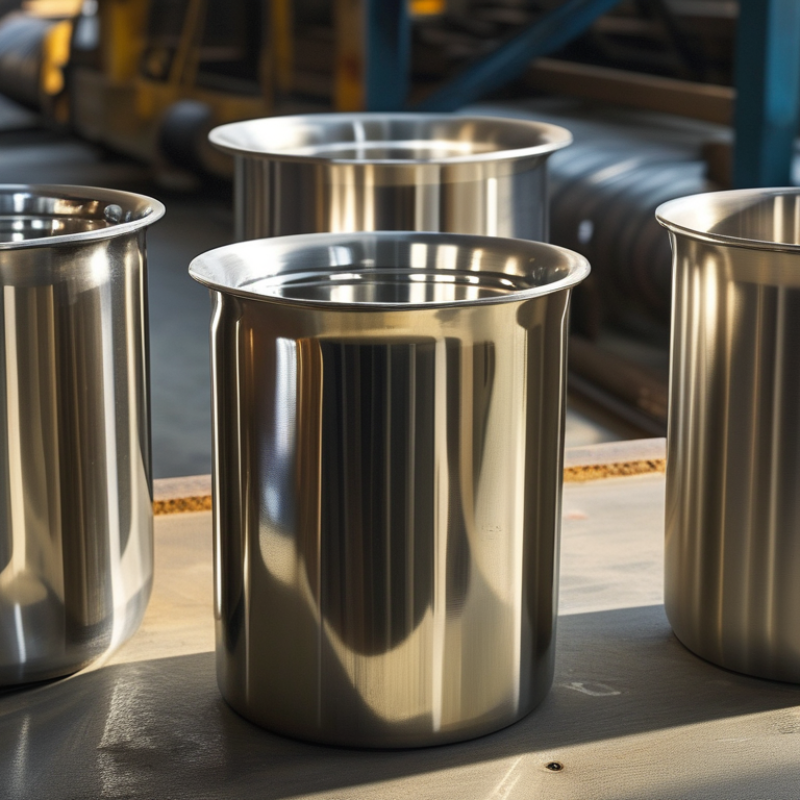
How to Choose Stainless Steel for High Temperature Use?

Choosing the Right Grade of Stainless Steel for High Temperatures

When choosing stainless steel for high-temperature applications, the grade of the metal is crucial. Different grades offer varying levels of resistance to heat and oxidation. For example, grade 310 is known for its excellent high-temperature strength. It can withstand temperatures up to 2100°F. However, this grade might not be cost-effective for every application, especially when lesser grades could suffice.

In applications where temperatures exceed 1500°F, 310 or 347 grades are often recommended. These grades contain higher chromium and nickel content. They provide enhanced resistance to corrosion and oxidation. It's essential to consider the specific environment; will there be exposure to sulfur compounds or other corrosive elements? These details can significantly influence the choice of grade.

Sometimes, the perfect choice isn’t clear-cut. Factors like budget constraints or availability can complicate the decision-making process. Conducting tests can be time-consuming yet vital. It provides insights into how different grades will perform under specific conditions. Investing time in selecting the right stainless steel pays off, ensuring durability and efficiency in high-temperature settings.

Understanding the Impact of Temperature on Stainless Steel Performance

The performance of stainless steel under high temperatures is a critical consideration for many industries. Temperatures above 500°C can significantly affect the material’s strength and ductility. According to a report from the International Stainless Steel Forum, stainless steel can begin to lose its tensile strength at elevated temperatures. For instance, Type 304, a commonly used stainless steel, starts to exhibit reduced yield strength when exposed to temperatures exceeding 400°C.

Moreover, the impact of temperature on oxidation cannot be ignored. At high temperatures, stainless steel is more susceptible to scaling and corrosion. Research shows that the formation of chromium oxides can lead to a protective layer, but this protection diminishes at temperatures above 800°C. Evaluating the environment is essential, as factors like moisture and chemicals can accelerate degradation. Understanding these aspects can help in selecting the right stainless steel grades for high-temperature applications.

Practitioners must also consider the potential for thermal fatigue. Repeated temperature fluctuations can cause microstructural changes, leading to cracking and reduced lifespan of components. The American Society of Mechanical Engineers (ASME) states that thermal cycling can impact materials markedly, often leading to premature failures. This reveals a gap in predictive maintenance strategies for high-temperature applications in various sectors. Recognizing these challenges ensures better decision-making regarding material selection and application design.

How to Choose Stainless Steel for High Temperature Use? - Understanding the Impact of Temperature on Stainless Steel Performance

Stainless Steel Type Temperature Range (°C) Corrosion Resistance Strength at High Temp Common Applications
304 Stainless Steel -196 to 870 Good Moderate Food Processing, Chemical Containers
316 Stainless Steel -196 to 870 Very Good High Marine Applications, Pharmaceuticals
904L Stainless Steel -100 to 500 Excellent Average Oil and Gas, Chemical Processing
2205 Duplex Stainless Steel -50 to 300 Good High Structural Applications, Pressure Vessels
Alloy 625 -196 to 980 Excellent Very High Aerospace, Nuclear Applications

Key Properties to Consider for High-Temperature Stainless Steel

When selecting stainless steel for high-temperature applications, several key properties must be taken into account. Understanding heat resistance is crucial. Certain alloys perform better under extreme heat. They maintain their strength and resist oxidation. This is especially important in environments exceeding 900°C. Look for steels that have a high melting point for optimal performance.

Corrosion resistance also plays a significant role. High temperatures can exacerbate corrosion, leading to faster deterioration. This may not be immediately noticeable but can severely impact the material's longevity. Additionally, consider alloying elements like chromium and nickel, as they improve corrosion resistance. Balancing these factors is essential for ensuring material reliability.

Mechanical properties such as tensile strength and ductility are also important. Strong steels withstand stress better, especially when exposed to thermal cycling. However, some steels may become brittle at high temperatures. Testing and analysis can help find the right balance. Every application has unique needs, and identifying them can be challenging. The interplay of these properties requires careful consideration and expertise in materials science.

Applications and Industries Requiring High-Temperature Stainless Steel

High-temperature stainless steel finds its place in various industries due to its exceptional resistance to heat and corrosion. In the aerospace sector, components must withstand extreme temperatures during flight. Stainless steel is often chosen for engine parts, which face harsh conditions. Similarly, in the chemical processing industry, equipment like reactors and heat exchangers needs robust materials. High temperatures can accelerate wear and tear, making the right choice essential.

Manufacturing industries also benefit from high-temperature stainless steel. Steel used in furnace components or welding equipment requires durability. Mistakes in material selection can lead to failures and costly downtimes. Engineers often consider thermal expansion and mechanical strength when choosing these steels, but the process is not always straightforward. Each application brings unique challenges, requiring expertise and careful evaluation.

Moreover, the energy sector relies heavily on high-temperature stainless steel. Oil and gas pipelines operate under high-pressure conditions, requiring reliable materials. Despite the advancements, there is still room for improvement in certain areas, such as fatigue resistance. Decision-makers often must balance performance with cost, leading to compromises. Understanding specific needs and conditions is crucial in these scenarios.

High-Temperature Stainless Steel Applications

Maintenance and Longevity of Stainless Steel at Elevated Temperatures

Choosing stainless steel for high-temperature use requires careful consideration of maintenance and longevity. Stainless steel can withstand elevated temperatures, but its performance depends on composition and environmental factors. Studies show that certain grades, like 310 and 316, perform better under stress and corrosion at high temperatures. These alloys maintain strength and resist scaling, making them ideal for extreme environments.

Regular maintenance is crucial for longevity. Cleaning surfaces to prevent oxidation enhances life expectancy. Routine checks for corrosion and wear can prevent costly failures. Data from industry reports indicate that neglecting maintenance can reduce the lifespan of stainless steel by up to 50%.

Evaluate your specific needs. Consider the operating temperature and possible contaminants. Think about how frequent maintenance can mitigate risks. Proper storage and handling reduce damage during installation. Longevity is achievable with a proactive approach to care and selection.

FAQS

: What happens to stainless steel at temperatures above 500°C?

: Stainless steel loses strength and ductility when exposed to high temperatures over 500°C.

How does temperature affect stainless steel's oxidation?

At high temperatures, stainless steel is prone to scaling and corrosion, especially above 800°C.

Why is moisture a concern for stainless steel at high temperatures?

Moisture can accelerate degradation and corrosion, affecting the stainless steel’s performance.

What is thermal fatigue, and why is it important?

Thermal fatigue occurs due to repeated temperature changes, causing cracks and reducing component lifespan.

What should be considered when selecting stainless steel for high temperatures?

Consider heat resistance, corrosion resistance, and mechanical properties for optimal performance.

How do alloying elements improve stainless steel?

Elements like chromium and nickel enhance corrosion resistance, crucial for longevity at high temperatures.

What is a key risk when using stainless steel in thermal cycling environments?

Materials may experience premature failures due to microstructural changes from thermal cycling.

Can all stainless steels handle high temperatures equally?

No, different alloys vary in heat resistance and strength, requiring careful selection based on needs.

Why might some stainless steels become brittle at high temperatures?

Elevated temperatures can lead to brittleness, which complicates material selection for specific applications.

How does one evaluate the right grade of stainless steel for high-temperatures?

Testing and analysis are vital to find the right balance of properties for specific conditions.

Conclusion

When considering how to select stainless steel for high temperature environments, it is crucial to understand the specific grade of stainless steel suitable for elevated temperatures. High temperatures can significantly affect the performance of stainless steel, necessitating a careful assessment of properties such as strength, corrosion resistance, and oxidation resistance. Different grades possess varying capabilities, making the selection process vital for ensuring reliability in high-temperature applications.

Industries ranging from aerospace to chemical processing frequently require stainless steel components that can withstand extreme conditions. Therefore, evaluating key properties like thermal conductivity and mechanical strength is essential for achieving longevity and maintaining operational integrity. Furthermore, implementing proper maintenance strategies can significantly enhance the durability of stainless steel in high-temperature scenarios, thereby prolonging its lifespan and performance efficiency.

Ethan

Ethan

Ethan is a seasoned marketing professional with a deep expertise in our company's innovative product line. With a passion for sharing knowledge and insights, he takes the lead in regularly updating our corporate blog, where he explores industry trends, product features, and effective marketing......