Top 5 Common Defects in Stainless Steel Manufacturing Tips?

Time:2026-06-01 Author:Aria
0%

Stainless steel manufacturing is complex. Understanding what are the common defects in stainless steel manufacturing is crucial for quality control. Common defects can impact the performance and durability of the final product. Identifying these issues early can prevent costly errors.

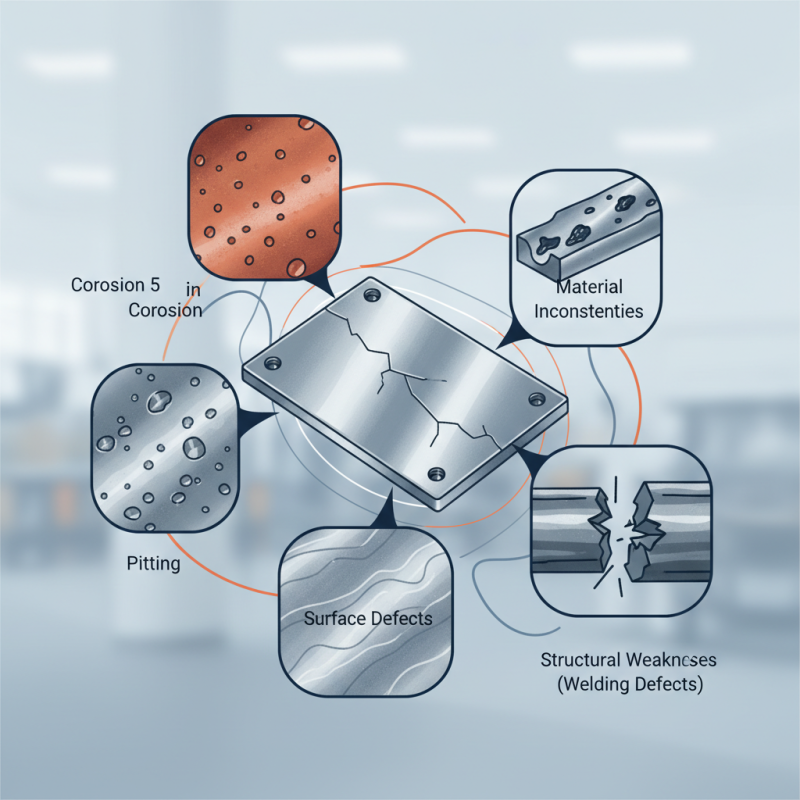
Manufacturers often face challenges like corrosion, pitting, and surface defects. Each issue can arise from improper processing or quality of raw materials. For instance, incorrect welding techniques can lead to structural weaknesses. These flaws often go unnoticed until it’s too late.

Moreover, attention to detail is key in this industry. Minor inconsistencies can lead to significant problems. Regular audits and inspections can help mitigate risks. Emphasizing training and adherence to standards can also enhance production. Ultimately, recognizing and addressing these defects is vital for manufacturing excellence.
Top 5 Common Defects in Stainless Steel Manufacturing Tips?

Identification of Common Defects in Stainless Steel Manufacturing

Stainless steel manufacturing involves complex processes. Common defects can appear at any stage. Identifying these issues early is crucial for quality assurance. These defects may include surface imperfections, dimensional inaccuracies, and structural issues.

Surface imperfections often manifest as scratches or discolorations. These can occur due to improper handling or contamination during production. Dimensional inaccuracies arise when parts don’t meet specified measurements. This may result from faults in machining or tooling practices. It's essential to employ calibrated measuring tools to ensure precision.

Structural issues, such as internal cracks or voids, can compromise the integrity of the finished product. These defects might go unnoticed during initial inspections. It’s necessary to implement stringent non-destructive testing methods. Regular training for staff can enhance their ability to recognize these defects. A culture of quality awareness can significantly reduce the occurrence of defects in stainless steel production.

Top 5 Common Defects in Stainless Steel Manufacturing

This chart illustrates the common defects encountered in stainless steel manufacturing. The data represents the percentage of occurrence for each defect type based on industry analysis.

Causes of Surface Defects in Stainless Steel Products

Surface defects in stainless steel products often arise during manufacturing due to various factors. It is estimated that around 30% of defects can be traced back to improper handling and storage. When stainless steel is not protected from scratches or contaminants, surface quality diminishes. For instance, oil or grease on the metal can impede the finishing process, leading to imperfections. Moreover, this can result in higher rejection rates during quality inspections.

Another significant cause of surface defects is the welding process. Research indicates that nearly 40% of defects originate from improper welding techniques. Inadequate heat control can lead to warping or oxidation on the surface. These issues not only tarnish the aesthetic appeal but also compromise corrosion resistance. The presence of crystalline structures due to overheating might appear as surface blemishes, posing long-term reliability concerns.

Chemical treatment is also critical in preventing surface defects. Industry reports suggest that about 20% of post-fabrication flaws stem from insufficient passivation or cleaning. Failing to remove contaminants can result in pitting or staining. This highlights the need for thorough surface preparation prior to final finishing. While manufacturers strive for perfection, the reality remains that human error, environmental factors, and equipment limitations can lead to unavoidable imperfections.

Impact of Internal Defects on Stainless Steel Performance

Internal defects in stainless steel can significantly impact its performance. Common issues include voids, inclusions, and cracks. These defects may reduce the material's strength, corrosion resistance, and overall longevity. A study by the International Journal of Metallurgy found that even small inclusions can decrease tensile strength by up to 30%. This can lead to unexpected failures in critical applications, making quality control essential.

To ensure optimal manufacturing quality, consider the following tips. First, invest in advanced non-destructive testing (NDT) methods. These techniques can detect flaws early in the production process. Regular inspection and sampling help maintain consistent material integrity. Monitor the melting and casting processes carefully. Inadequate control can lead to unfavorable internal structures.

Strict adherence to manufacturing standards is crucial. A recent industry report indicated that nearly 15% of stainless steel fails during rigorous testing due to internal defects. Regular training for workers can enhance awareness of potential issues. Emphasizing quality at every stage can minimize defects and bolster overall product reliability. Small changes can yield significant results.

Preventive Measures for Reducing Defects in Stainless Steel Production

In stainless steel manufacturing, defects can lead to significant issues. Understanding preventive measures is crucial for quality production. One common defect is improper welding, which can cause structural weaknesses. Ensuring the right weld parameters and thorough inspections are essential.

Regular maintenance of equipment is vital. Over time, machinery may wear down and affect production quality. Steps should be taken to calibrate machines frequently. Operators need ongoing training to keep skill levels high. Encouraging proactive communication can also highlight potential issues early.

Another common defect includes contamination. This can occur from residual materials or environmental factors. Employing a clean workspace is necessary. Implementing strict hygiene protocols significantly reduces this risk. Awareness among staff about contamination sources creates a more reliable environment.

Quality Control Techniques for Ensuring Defect-Free Stainless Steel

Quality control in stainless steel manufacturing is crucial. Common defects can arise during various stages of production. Using systematic techniques can greatly enhance product quality and reduce defects.

Effective inspection methods include visual checks and surface testing. Operators should be trained to identify common issues like cracks and discoloration. Investing in advanced testing technologies can provide deeper insights. Regular audits and maintenance of equipment ensure optimal performance. It may seem tedious, but consistency is key.

Feedback loops between teams are essential. Engineers should analyze defects thoroughly, understanding root causes. Sometimes, defects occur due to overlooked details or miscommunication. A culture of open discussion encourages team members to report defects without fear. On the path to defect-free manufacturing, reflection and adjustment play vital roles. A willingness to learn from mistakes leads to continuous improvement.

Top 5 Common Defects in Stainless Steel Manufacturing

Defect Type Description Possible Causes Prevention Techniques
Corrosion Deterioration of material due to chemical reactions Poor alloy selection, improper surface finish Implement proper surface treatments and choose suitable alloys
Weld Cracking Fractures that occur in the weld area Improper welding techniques, high residual stresses Use correct welding parameters and preheat materials
Pitting Localized corrosion leading to small holes Exposure to chlorides, insufficient passivation Regular maintenance and passivation processes
Surface Defects Visual flaws such as scratches or dents Improper handling, damaged tools Training workers on proper handling and tool maintenance
Inclusions Unwanted particles trapped in the metal Contaminated raw materials or improper melting Quality control of materials and refining processes

FAQS

: What are common defects in stainless steel manufacturing?

: Common defects include surface imperfections, dimensional inaccuracies, and structural issues.

How can surface imperfections occur during production?

They often arise from improper handling or contamination. Scratches or discolorations are typical examples.

What causes dimensional inaccuracies in parts?

Faulty machining or tooling practices can lead to parts that don’t meet specified measurements.

Why are calibrated measuring tools important?

They ensure precision, reducing the risk of dimensional inaccuracies during manufacturing.

What types of structural issues can arise?

Internal cracks or voids can compromise product integrity, often going unnoticed in initial inspections.

How can manufacturers improve defect detection?

Implementing non-destructive testing and regular staff training can enhance defect recognition skills.

What percentage of surface defects result from handling and storage?

Approximately 30% of defects can be traced back to improper handling and storage practices.

What role does welding play in surface defects?

Nearly 40% of defects stem from improper welding techniques, causing warping and oxidation.

How does chemical treatment affect surface quality?

About 20% of flaws occur due to insufficient passivation, leading to pitting and staining.

Can human error impact stainless steel quality?

Yes, human error, environmental factors, and equipment limitations can lead to unavoidable imperfections.

Conclusion

In the stainless steel manufacturing process, understanding "what are the common defects in stainless steel manufacturing" is essential for ensuring high-quality products. Common defects can be categorized into surface imperfections, such as scratches, pits, and discoloration, often resulting from improper handling or inadequate surface treatment. Internal defects, like voids and inclusions, can significantly impair the performance and structural integrity of the finished products.

To mitigate these issues, it's crucial to implement preventive measures, including proper material selection, rigorous quality control techniques, and regular inspections during the production process. By establishing a robust quality management system and adopting best practices, manufacturers can significantly reduce the incidence of defects, ensuring the production of defect-free stainless steel that meets industry standards and customer expectations.

Aria

Aria

Aria is a dedicated marketing professional with a deep passion for innovative strategies and a keen understanding of our company's product offerings. With a wealth of experience in the industry, Aria excels at crafting engaging content that highlights the unique features and benefits of our......