How to Ensure Consistency in Stainless Steel Production in China?

Time:2026-06-04 Author:Sienna
0%

In the competitive landscape of stainless steel production in China, maintaining high-quality standards is crucial. Industries depend on this metal for its durability and corrosion resistance. However, inconsistencies often arise due to variations in raw materials, production techniques, and environmental factors.

Addressing the question of how to ensure consistency in stainless steel production requires careful attention to these variables. Manufacturers must implement rigorous quality control measures and standard operating procedures to mitigate risks. Regular training for workers is essential to sustain expertise in production practices.

Despite advancements in technology, challenges remain. Some producers may cut corners, resulting in subpar materials. It is vital to foster a culture of integrity and continuous improvement. This will not only enhance product quality but also strengthen trust between manufacturers and clients.
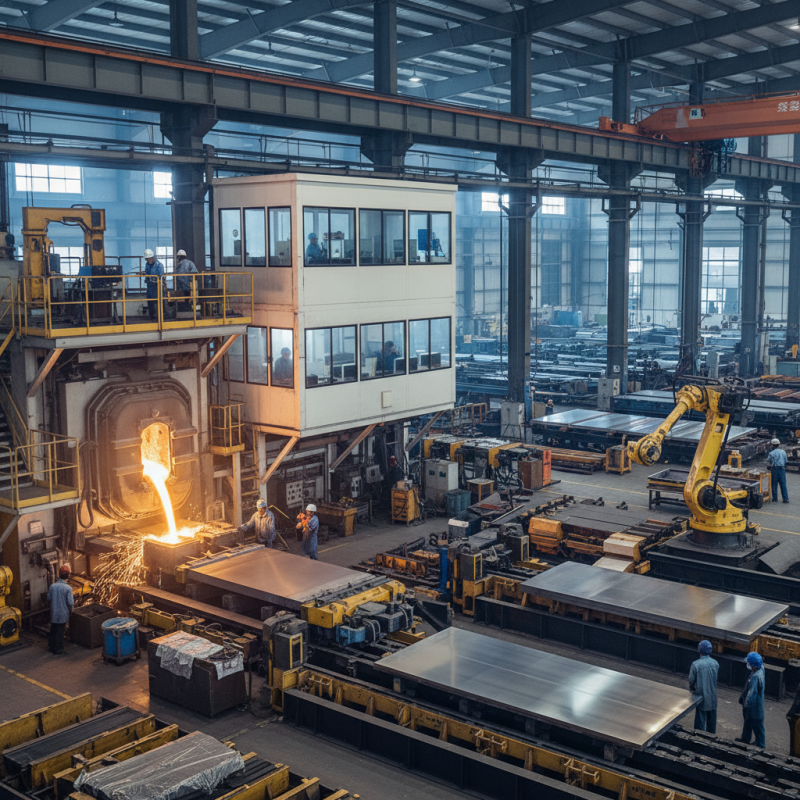
How to Ensure Consistency in Stainless Steel Production in China?

Understanding the Importance of Consistency in Stainless Steel Production

In the stainless steel production sector, consistency is paramount. Variability in material quality can lead to structural failures in applications. The World Stainless Steel Association reports that inconsistencies can lead to a production credit loss of up to 10%. This highlights the financial impact of ensuring uniformity throughout the manufacturing process.

Raw materials play a crucial role in achieving consistency. Variations in chromium or nickel content can alter the characteristics of the steel. Each deviation may result in product failures during critical applications, such as construction or medical devices. Research indicates that over 30% of stainless steel products fail industrial tests due to inconsistent material properties, reflecting the urgent need for stringent quality control measures.

Employing advanced technologies, such as AI-driven monitoring systems, can enhance production reliability. These systems allow manufacturers to track the quality of raw materials in real-time. However, technology implementation often reveals gaps in training and process adherence among workers. Addressing these gaps is as vital as technological upgrades, as human error can undermine the best systems. Continuous improvement and training are necessary for long-term consistency in production.

Consistency in Stainless Steel Production in China

This chart illustrates the increasing consistency in stainless steel production in China from 2019 to 2023. As indicated, the production consistency has steadily improved, reaching 95% in 2023.

Key Factors Affecting Stainless Steel Quality Standards in Manufacturing

In the stainless steel production industry, quality standards are paramount. Several key factors significantly affect the overall quality. Material selection is crucial; the choice of alloys directly influences corrosion resistance and strength. For instance, the percentage of nickel and chromium can alter the material's durability.

Production processes play a vital role, too. Variations in temperature and pressure during melting can lead to inconsistencies. Some manufacturers overlook these critical parameters. Additionally, cooling rates impact microstructure, which ultimately defines the steel's characteristics.

Inspection protocols are often an area of concern. Many facilities struggle to maintain rigorous testing standards. This inconsistency can lead to defects and fail to meet established benchmarks. Staff training also requires attention. Skilled workers must understand the complex intricacies of stainless steel production. Better training programs could elevate quality control practices in the industry.

Implementing Quality Control Measures in Stainless Steel Production Lines

Stainless steel production in China must prioritize quality control to maintain consistency. Various reports indicate that nearly 30% of stainless steel products in the market do not meet international standards. This highlights a significant need for stricter quality measures.

Implementing regular inspections on production lines is vital. For every batch produced, a sample must undergo comprehensive tests. These tests should include assessments for corrosion resistance and structural integrity. Data from industry studies suggest that companies following these protocols see a reduction in defects by up to 25%. Utilizing standardized testing methods can enhance reliability across the board.

However, challenges exist. Some manufacturers may overlook quality in favor of faster production times. This decision can lead to inconsistent product quality. Teams should also receive ongoing training to understand quality standards deeply. Consistency requires a cultural shift within organizations, aiming towards excellence rather than merely meeting quota targets.

Optimizing Supply Chain Management for Consistent Stainless Steel Output

In the stainless steel industry, supply chain management plays a crucial role in ensuring consistent output. To achieve this, manufacturers must focus on optimizing each segment of the supply chain. Effective communication between suppliers and producers is vital. Regular meetings can align production schedules and quality standards. This collaboration helps mitigate risks related to delays or quality variations.

Another aspect to consider is inventory management. Maintaining an optimal level of raw materials can prevent production halts. Too much inventory can elevate costs, while too little can disrupt workflows. Implementing a just-in-time strategy can enhance efficiency. However, this approach requires careful forecasting and demand analysis to work effectively.

Technology can also enhance supply chain consistency. Automated tracking systems provide real-time data about material flow and production status. This visibility allows for swift adjustments in case of discrepancies. However, reliance on technology can lead to challenges when systems fail. Continuous assessment of the technological tools in use will help pinpoint weaknesses. Creating a resilient supply chain is an ongoing process that demands attention and adaptation.

Enhancing Workforce Training and Skills for Improved Production Consistency

Enhancing workforce training and skills is crucial for consistency in stainless steel production. Skilled workers ensure the production process runs smoothly. They can quickly identify potential issues before they escalate. Improper training leads to mistakes that can compromise product quality. Regularly updating training programs helps workers stay informed about the latest techniques and technologies.

Investing in hands-on training is essential. Practical experience reinforces theoretical knowledge. Workers gain confidence by working directly with the machinery and materials. This approach reduces errors and increases efficiency. Companies should also encourage a culture of continuous improvement. Workers should feel empowered to suggest changes that enhance processes.

Moreover, assessing training effectiveness is vital. Regular evaluations help identify gaps in skills and knowledge. Feedback from supervisors can guide adjustments to training methods. This ongoing reflection is necessary for growth. Over time, well-trained workers contribute to a more consistent and reliable production environment.

How to Ensure Consistency in Stainless Steel Production in China? - Enhancing Workforce Training and Skills for Improved Production Consistency

Training Program Target Skills Training Duration (Hours) Success Rate (%) Feedback Score (out of 5)
Welding Techniques Joining materials efficiently 40 92 4.8
Quality Control Standards Inspection and testing protocols 30 85 4.5
Machinery Operation Using production machines 50 90 4.7
Material Handling Safe transport and storage 20 88 4.6
Team Collaboration Effective teamwork practices 25 95 4.9

FAQS

: Why is consistency important in stainless steel production?

: Consistency prevents structural failures. Variability can result in significant financial losses.

How do raw materials affect stainless steel quality?

Variations in chromium or nickel impact the steel's characteristics. These changes can lead to product failures.

What percentage of stainless steel products fail industrial tests due to inconsistency?

Research shows over 30% fail due to inconsistent material properties. This highlights the need for strict quality control.

How can technology improve production reliability?

AI-driven monitoring systems track raw material quality in real-time. However, gaps in worker training can still pose issues.

What factors influence the quality standards of stainless steel?

Material selection, production processes, and inspection protocols are key. Variations in temperature and cooling rates matter greatly.

Why is workforce training essential in stainless steel manufacturing?

Skilled workers help maintain a smooth production process. Their expertise reduces mistakes that can affect quality.

How can companies enhance training for better production outcomes?

Implementing hands-on training reinforces knowledge. Continuous improvement culture encourages suggestions from employees.

What role do inspection protocols play in steel production?

They are crucial for maintaining quality. Inconsistent testing can lead to defects and failure to meet benchmarks.

How important is feedback in training programs?

Regular evaluation and feedback identify skill gaps. This reflection fosters growth and improves production consistency.

What is one challenge in maintaining rigorous testing standards?

Many facilities struggle to enforce strict protocols. This inconsistency can compromise product quality over time.

Conclusion

Ensuring consistency in stainless steel production is crucial for meeting quality standards and satisfying customer demands. This article delves into key factors influencing the quality of stainless steel, including material selection, manufacturing processes, and adherence to industry standards. It emphasizes the importance of implementing robust quality control measures throughout production lines, which can detect issues early and minimize defects.

Moreover, optimizing supply chain management plays a vital role in achieving consistent output. By streamlining procurement and logistics, manufacturers can mitigate delays and ensure a steady supply of high-quality materials. Lastly, enhancing workforce training and skills development is essential for fostering a knowledgeable team capable of maintaining production consistency. By focusing on these areas, manufacturers can effectively address the question of how to ensure consistency in stainless steel production, leading to superior results in the competitive market.

Sienna

Sienna

Sienna is a skilled marketing professional with a deep expertise in our company’s core products and services. With a passion for innovation and detail, she plays a pivotal role in crafting insightful blog posts that not only highlight the unique features of our offerings but also provide valuable......